New · Workflow
From one photo to a GLB: a practical image to 3D workflow
Pick a reference, choose a texture size, run Pixal3D, then send the GLB to the editor. A step by step workflow with API example.
Research notes for artists and engineers who want to understand not only which mesh tool to click, but what the tool is solving and how to build better workflows around it.

Pick a reference, choose a texture size, run Pixal3D, then send the GLB to the editor. A step by step workflow with API example.
How to reduce triangle counts, keep silhouettes and boundaries, and touch up textures on an AI generated model in the SimplexGen mesh tools.
A practical guide to the SimplexGen VRM character creator: reference image rules, body proportion hints, and what happens in the VRM editor.

The five framing rules that decide whether image-to-3D gives you a clean object or a lump with a shadow fused to its base — and what each mistake actually produces.
Deterministic corpora, background-priority scheduling, slug-keyed resume, atomic writes, and the two-process race that taught us to take a lock.
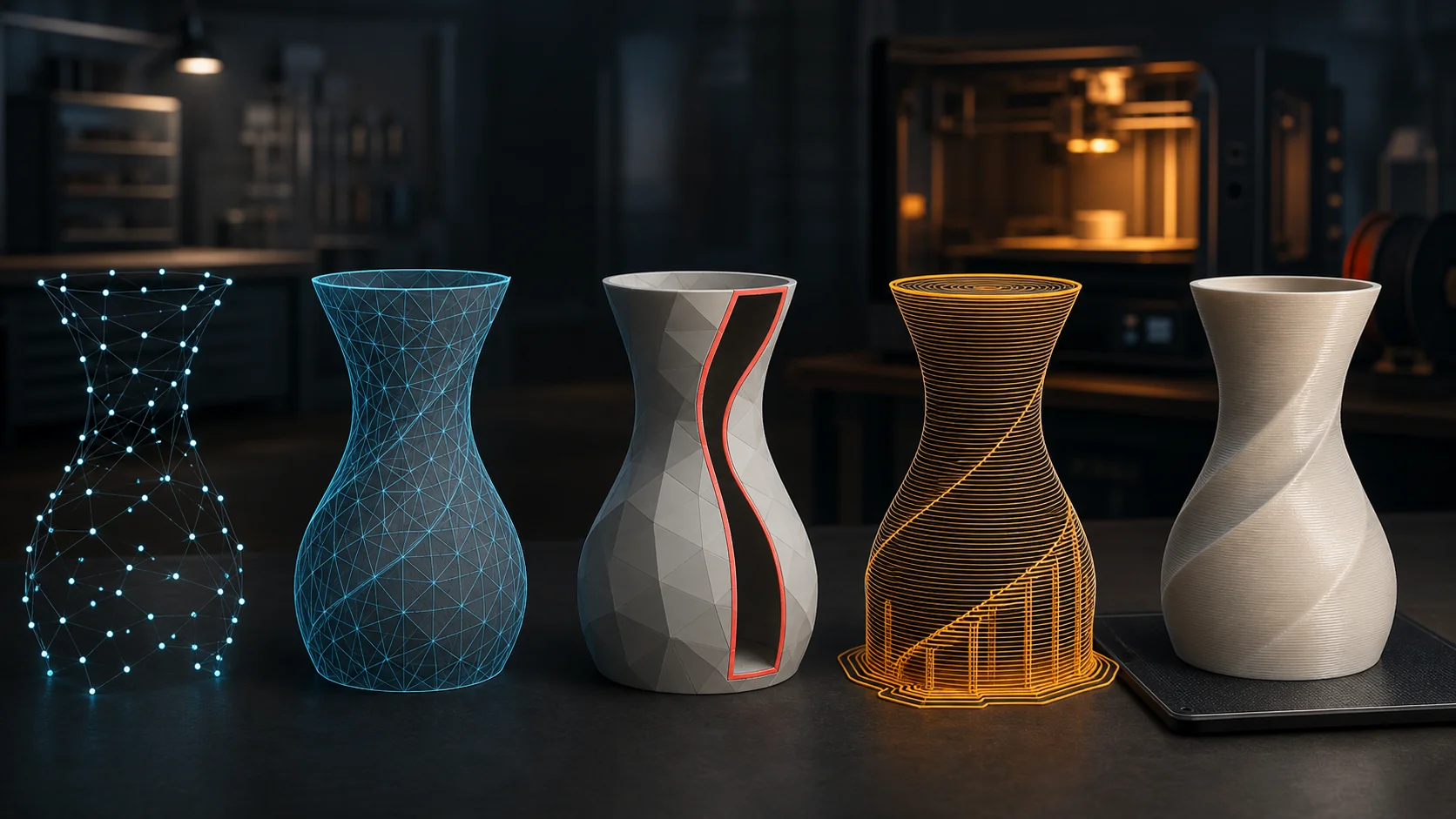
Go from mesh fundamentals to printable solids, PyTorch3D augmentation, tokenization, diffusion, model routing, texture preservation, and production QA.
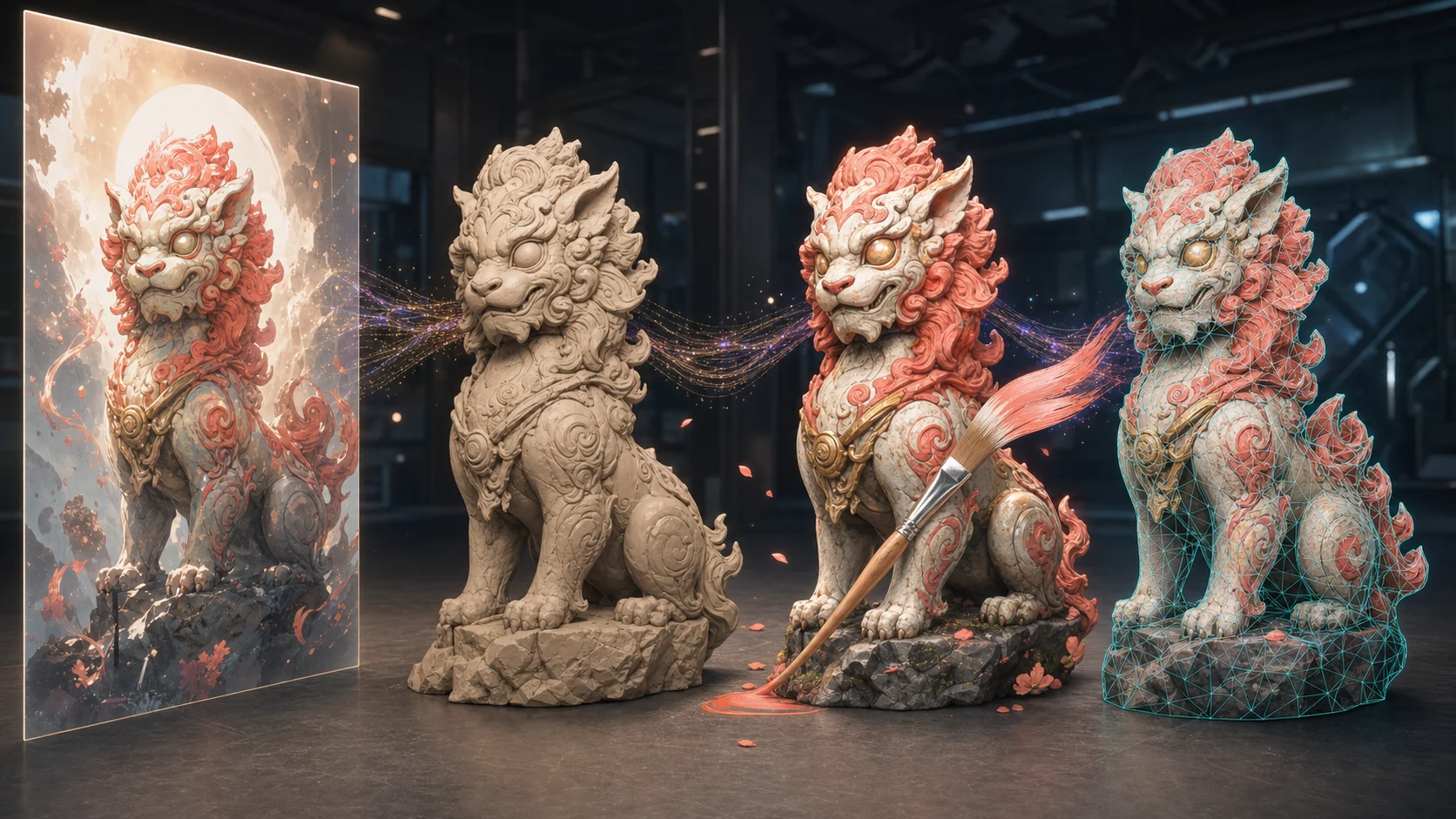
An open-source Cog for Pixal3D on RunPod serverless with fal as a fallback: the native build, baked weights, provider chain, measured timings and per-model cost.
Representation contracts, three masters, measurable checkpoints, manufacturing manifests, and choosing GLB, STL, or 3MF for the job.

Gradients, divergence, cotangent Laplacians, mass matrices, curvature flow, Poisson reconstruction, and harmonic coordinates—built from visual intuition upward.
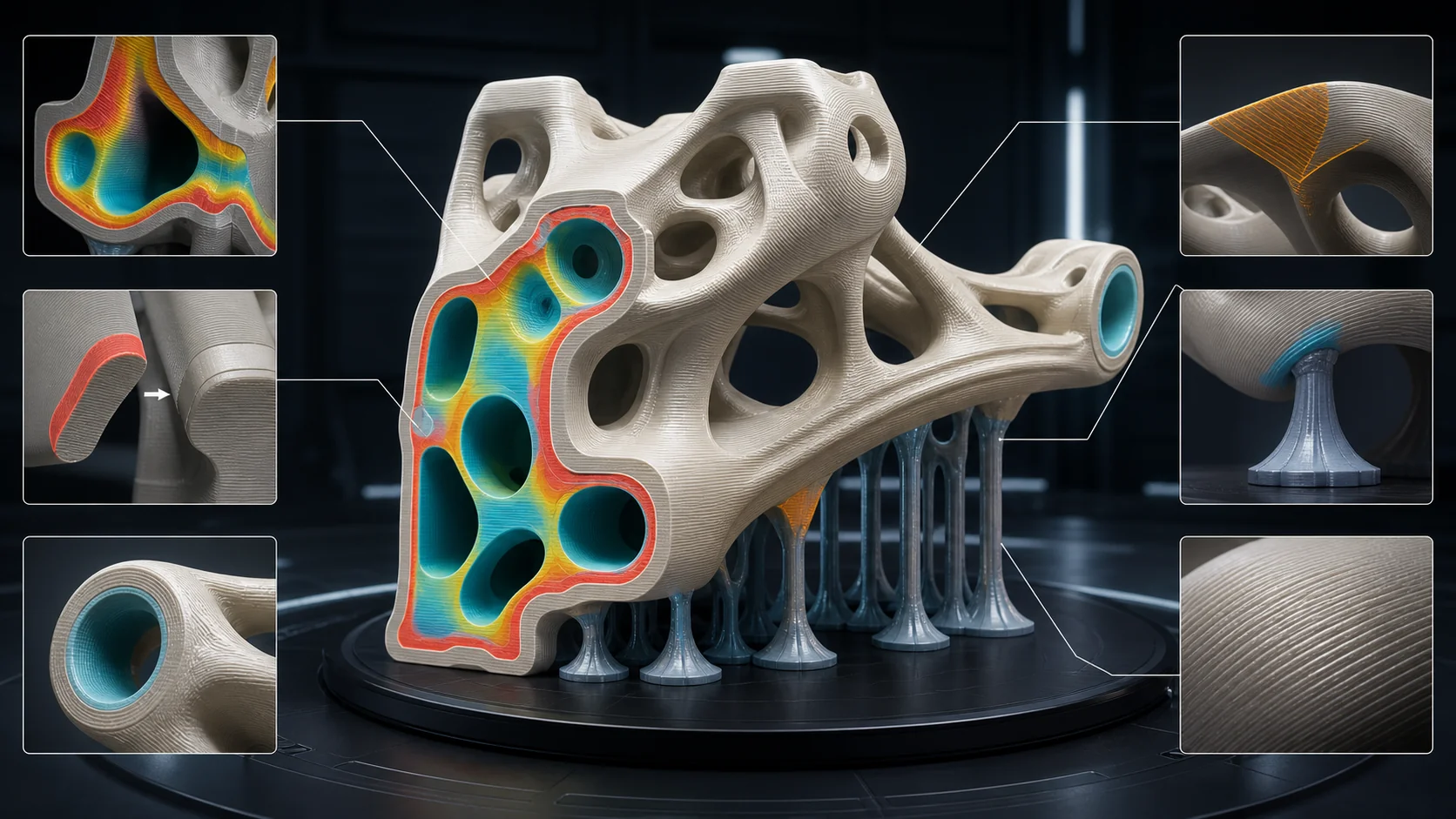
Watertightness, manifoldness, wall thickness, overhangs, orientation, scale, tolerances, and a useful Trimesh inspection script.
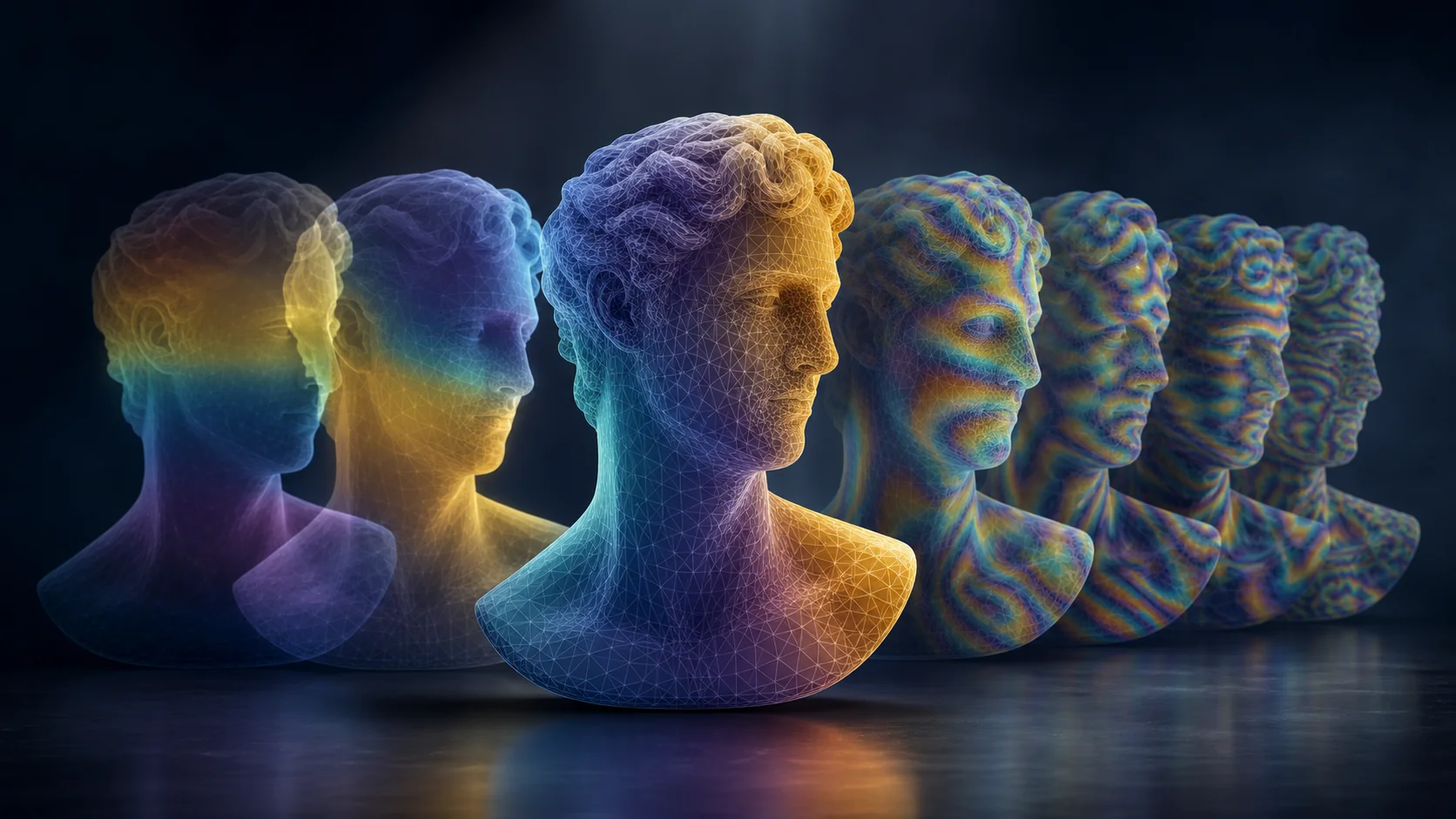
Why Laplacian eigenvectors behave like a shape’s natural harmonics—and how that changes smoothing, compression, segmentation, and search.
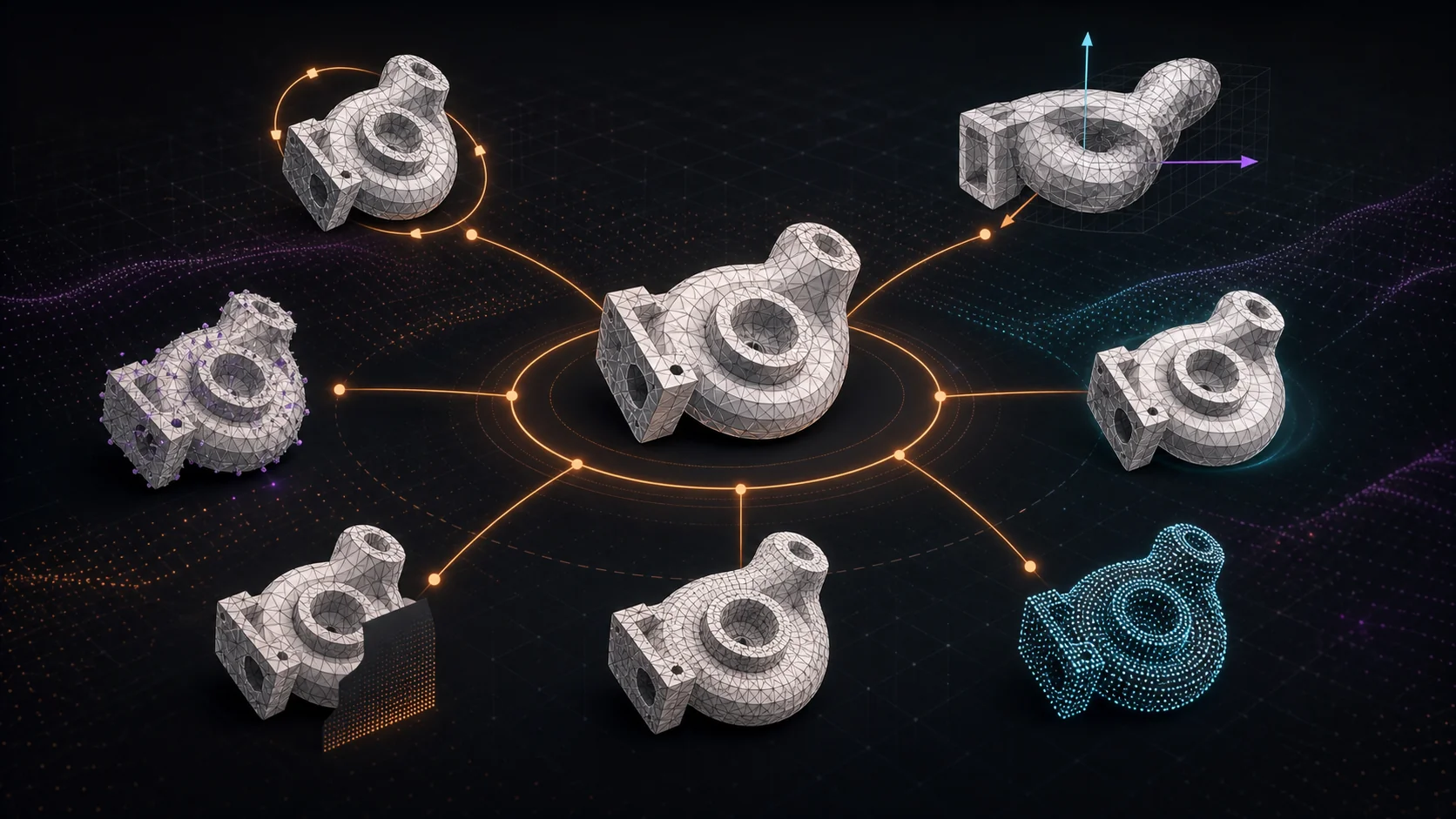
Safe transforms, sampling, geometric corruption, supervision contracts, deterministic batches, and surface-aware losses—with code.
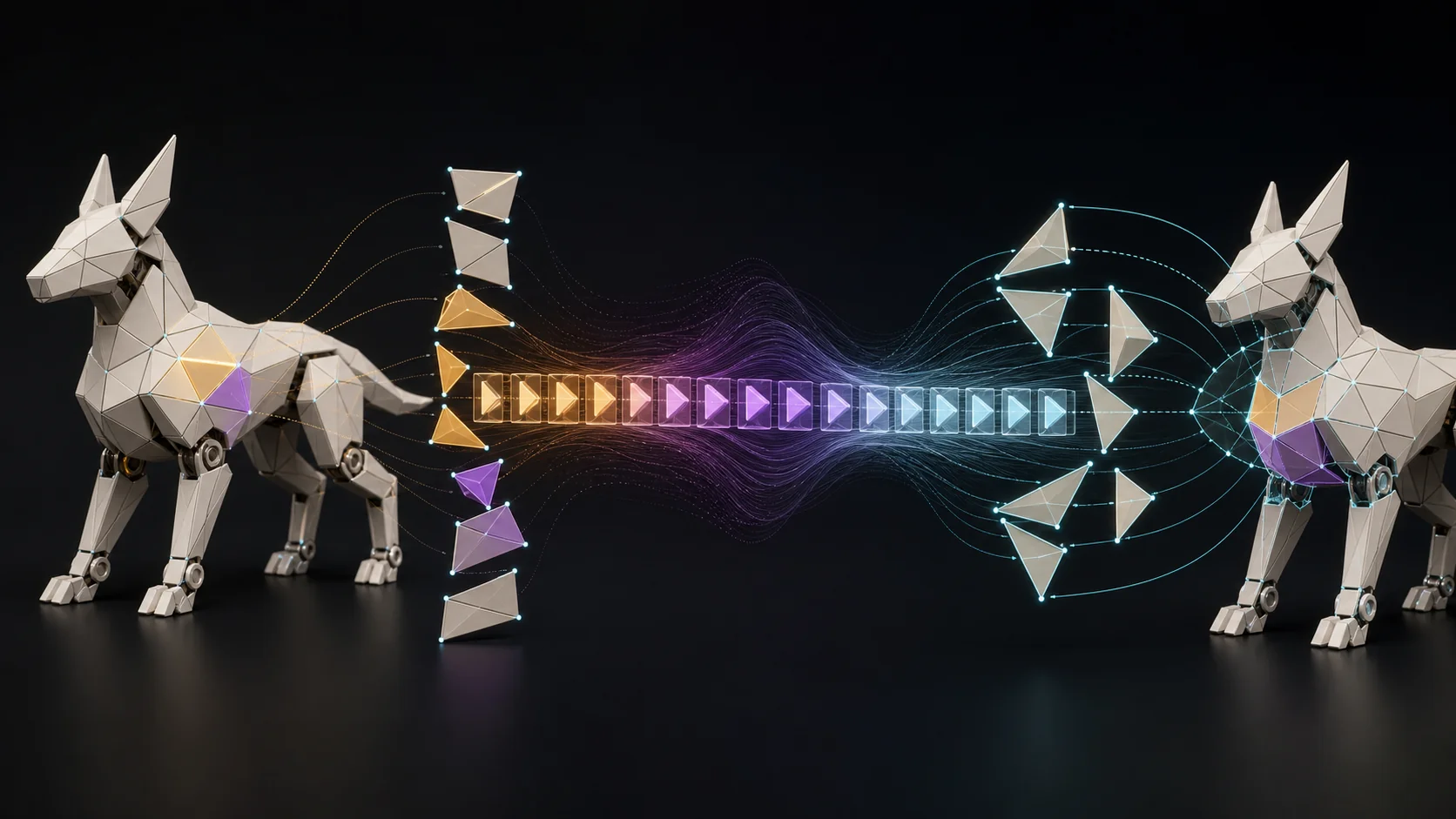
Coordinate quantization, face ordering, adjacency-aware sequences, MeshGPT, MeshAnything V2, and why token budgets shape topology.
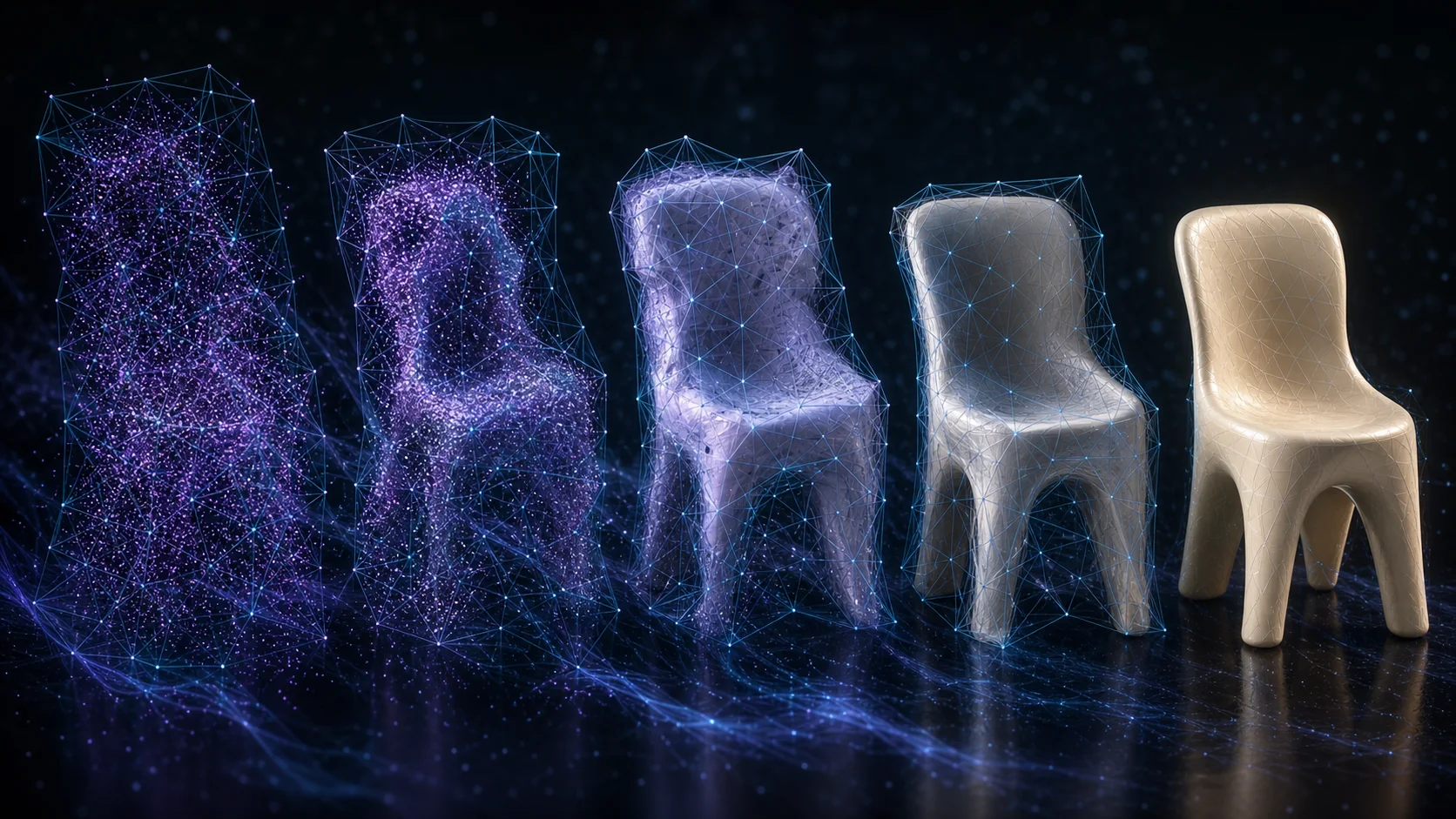
Fixed volumetric scaffolds, signed-distance parameters, diffusion training, marching tetrahedra, conditioning, and production limits.
TRELLIS.2, Hunyuan3D 2.1, mesh tokens, DMTets, candidate filtering, and a practical production router.
A practical chain for turning generated concepts into editable, painted geometry while keeping UVs, material intent, and production provenance intact.

A practical comparison of PBR image-to-3D reconstruction, local RTX 5090 deployment, API pricing, and print-ready workflows.